Foam padding with adhesive backing is a versatile material that has found applications across various industries, from furniture manufacturing to automotive interiors. Its unique combination of cushioning, insulation, and ease of application makes it an essential component in many projects. This guide aims to provide an in-depth understanding of foam padding with adhesive backing, its benefits, types, applications, and tips for use.
What is Foam Padding with Adhesive Backing?

Foam padding with adhesive backing is a type of cushioning material made from various foams that have a sticky layer on one side. This adhesive backing allows for easy application to different surfaces without the need for additional adhesives or fasteners. The foam can vary in density, thickness, and texture, providing a range of options for different applications.
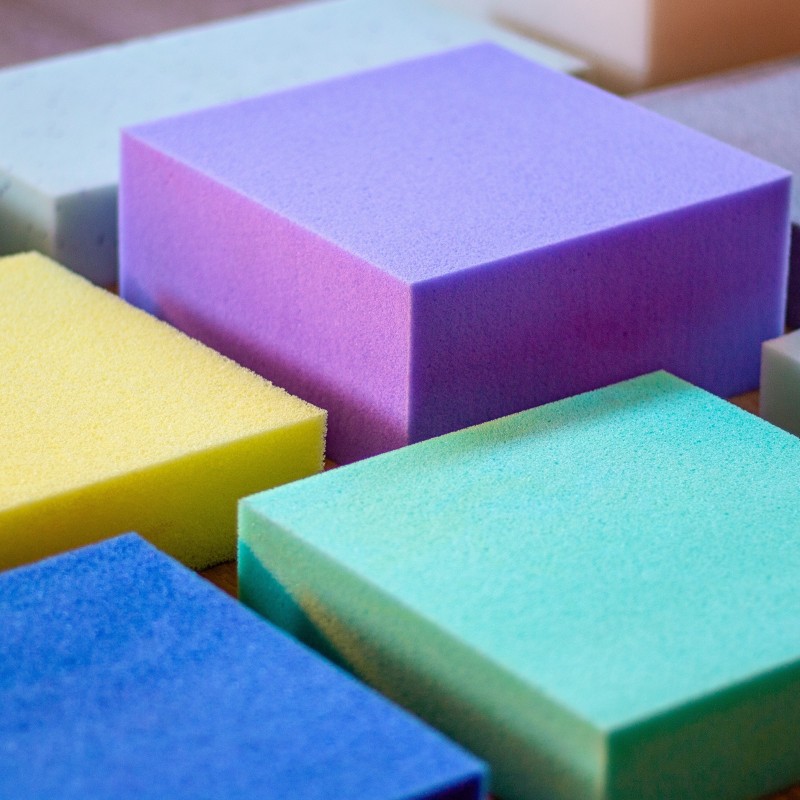
Types of Foam Padding
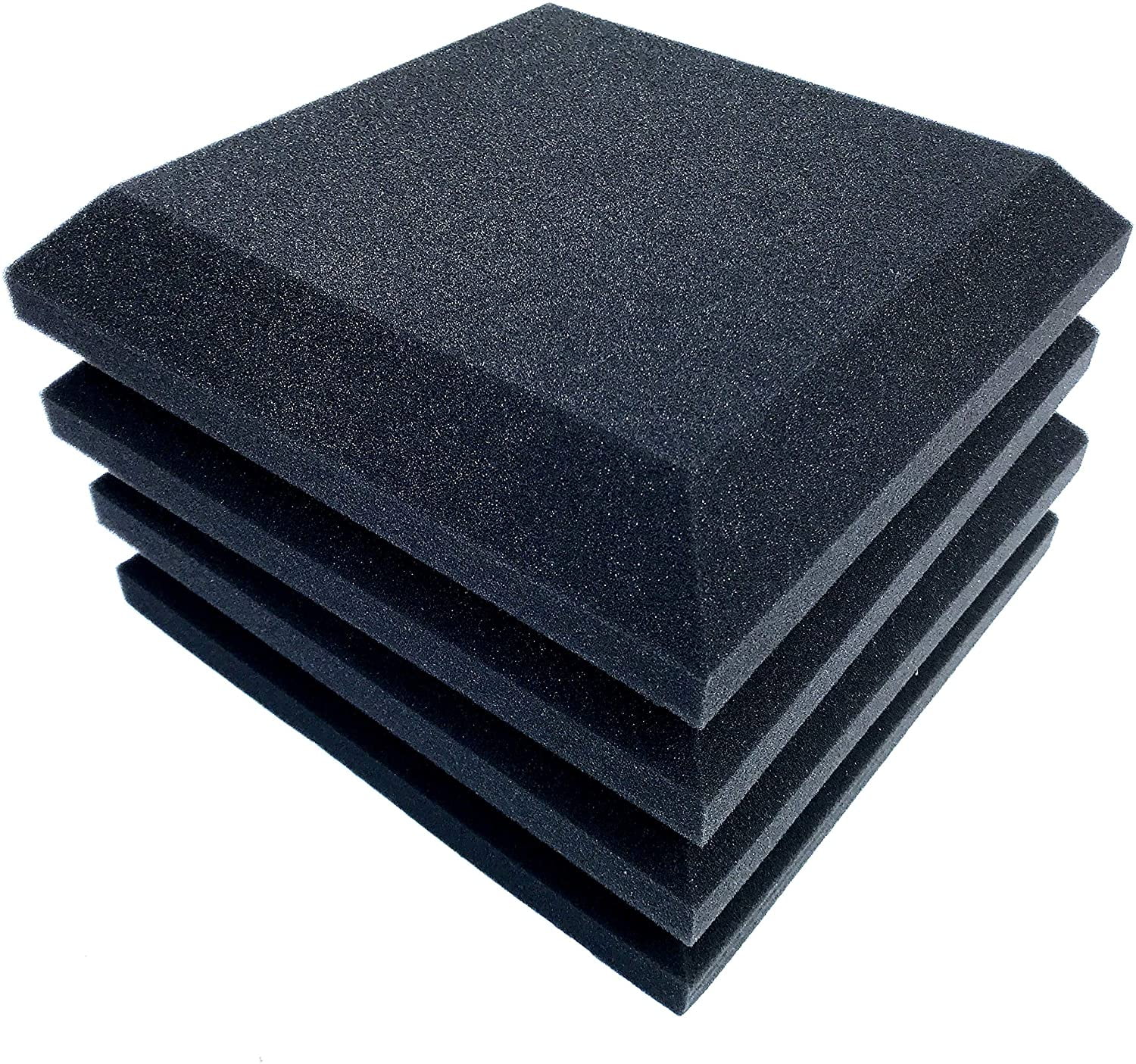
Foam padding comes in various types, each suited for specific applications. Here are some of the most common types:
- Polyurethane Foam: Lightweight and versatile, polyurethane foam is commonly used in upholstery and bedding.
- Memory Foam: Known for its contouring properties, memory foam offers superior comfort and support, making it popular in mattresses and pillows.
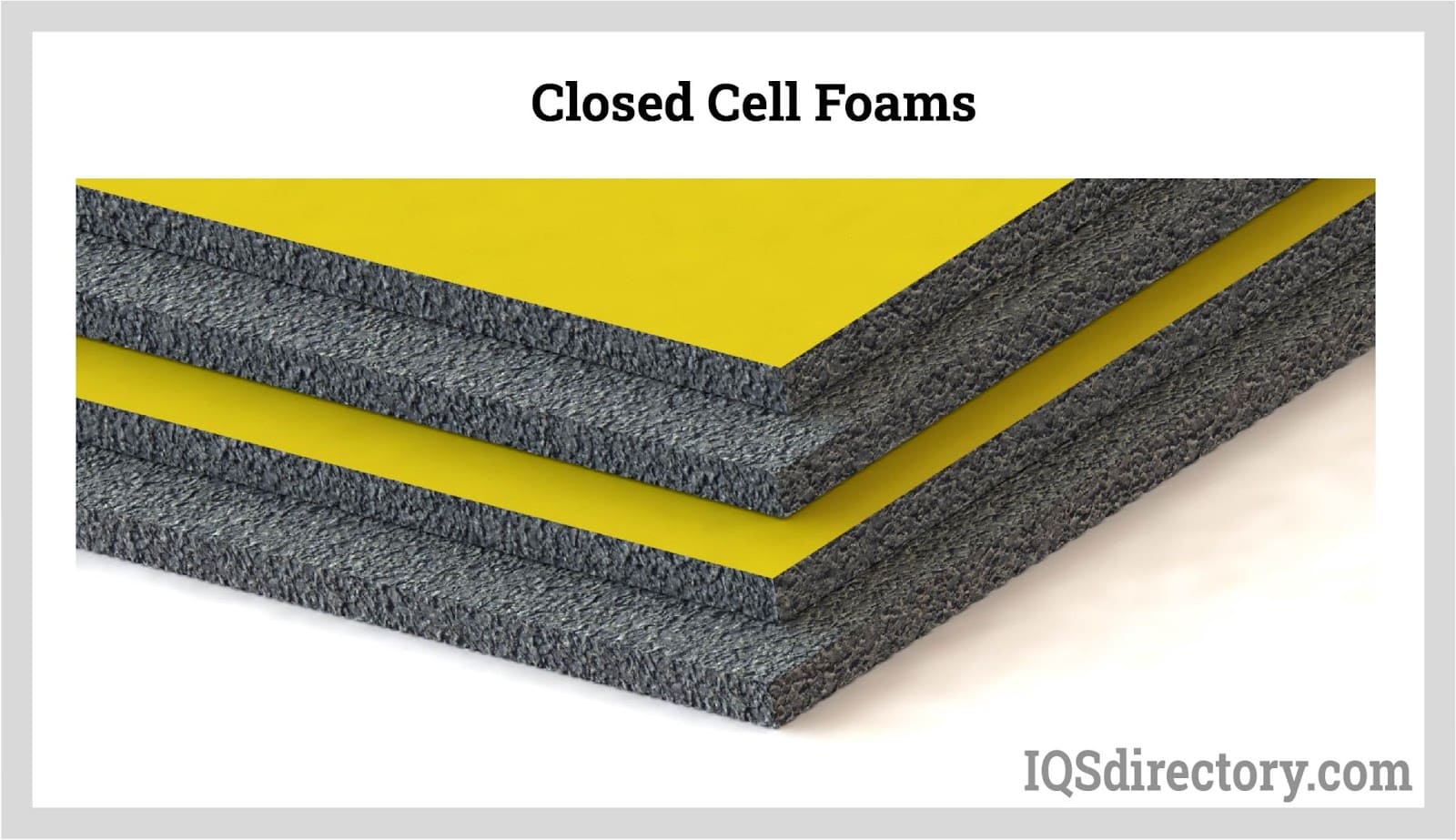
- Polyethylene Foam: This closed-cell foam is durable and moisture-resistant, often used in packaging and insulation.
- Neoprene Foam: With excellent elasticity and resistance to chemicals, neoprene foam is ideal for applications requiring durability, such as wetsuits and automotive interiors.
- Vinyl Foam: A combination of foam and vinyl, this material is often used in seating applications due to its durability and ease of cleaning.
Benefits of Using Foam Padding with Adhesive Backing
Foam padding with adhesive backing offers several advantages, making it a popular choice for various applications:
- Easy Application: The adhesive backing allows for quick and straightforward installation on numerous surfaces.
- Cushioning and Comfort: Foam padding provides excellent cushioning, enhancing comfort in seating and bedding applications.
- Insulation Properties: Foam acts as an insulator, helping to regulate temperature and reduce noise.
- Versatility: It can be used in multiple settings, including homes, offices, and vehicles.
- Cost-Effectiveness: Compared to other materials, foam padding is often more affordable, making it a budget-friendly option.
Applications of Foam Padding with Adhesive Backing
Foam padding with adhesive backing has a wide range of applications across various sectors. Here are some notable examples:
1. Furniture and Upholstery
In the furniture industry, foam padding is vital for ensuring comfort in chairs, sofas, and mattresses. The adhesive backing allows manufacturers to easily apply foam to surfaces, enhancing the overall user experience. For instance, high-density foam with adhesive backing can be used in sofa cushions, providing both support and comfort.
2. Automotive Interiors
Automotive manufacturers utilize foam padding with adhesive backing in seat cushions, headliners, and door panels. This not only enhances the comfort of passengers but also serves as an insulator against noise and temperature variations. A case study by Ford Motor Company highlighted how using such foam in their vehicles improved customer satisfaction ratings significantly.
3. Packaging

In packaging, foam padding is used to protect delicate items during shipping. The adhesive backing allows for easy application to boxes and containers, ensuring that products are secure and well-protected during transit. Companies like Amazon have incorporated foam padding with adhesive backing into their packaging solutions to reduce damage rates and improve customer satisfaction.
4. DIY Projects
For DIY enthusiasts, foam padding with adhesive backing is ideal for various projects, including soundproofing rooms, creating custom cushions, or even crafting home decor. Its ease of use makes it a favorite among hobbyists and professionals alike.
Factors to Consider When Choosing Foam Padding
When selecting foam padding with adhesive backing, several factors should be considered to ensure the right choice for your specific application:
- Density: The density of the foam affects its durability and comfort. Higher density foams offer more support, while lower density options provide softer cushioning.
- Thickness: The thickness of the foam will determine the level of cushioning. Thicker foam may be necessary for applications requiring significant impact absorption.
- Adhesive Quality: The type of adhesive used can affect the foam’s ability to stick to surfaces. Ensure that the adhesive is suitable for the intended material.
- Temperature Resistance: In some applications, such as automotive, the foam must withstand various temperatures. Choose a foam that is appropriate for the environmental conditions it will face.
- Moisture Resistance: If the foam will be exposed to moisture, opt for closed-cell foam options that resist water damage.
Installation Tips for Foam Padding with Adhesive Backing

Proper installation is crucial for achieving the best performance from foam padding with adhesive backing. Here are some tips to ensure successful application:
- Surface Preparation: Clean the surface thoroughly to remove dust, dirt, and grease, ensuring optimal adhesion.
- Measure Carefully: Always measure the area where the foam will be applied to avoid cutting it too short or too long.
- Apply Even Pressure: Once the foam is in place, press down firmly to ensure that the adhesive makes proper contact with the surface.
- Allow Time to Set: Depending on the adhesive used, allow sufficient time for the foam to bond before applying any stress to it.
Foam padding with adhesive backing is a versatile and valuable material that enhances comfort, insulation, and protection across various applications. From furniture and automotive interiors to packaging and DIY projects, its benefits and ease of use make it a go-to choice for professionals and hobbyists alike.
When selecting the right foam padding, consider factors such as density, thickness, adhesive quality, and environmental conditions to ensure optimal performance. By following proper installation tips, you can maximize the effectiveness of this exceptional material.
In summary, understanding the features and applications of foam padding with adhesive backing allows you to make informed decisions that enhance the quality of your projects. Whether you’re a manufacturer, a DIY enthusiast, or someone looking to improve their home, foam padding offers a reliable solution to your cushioning and insulation needs.